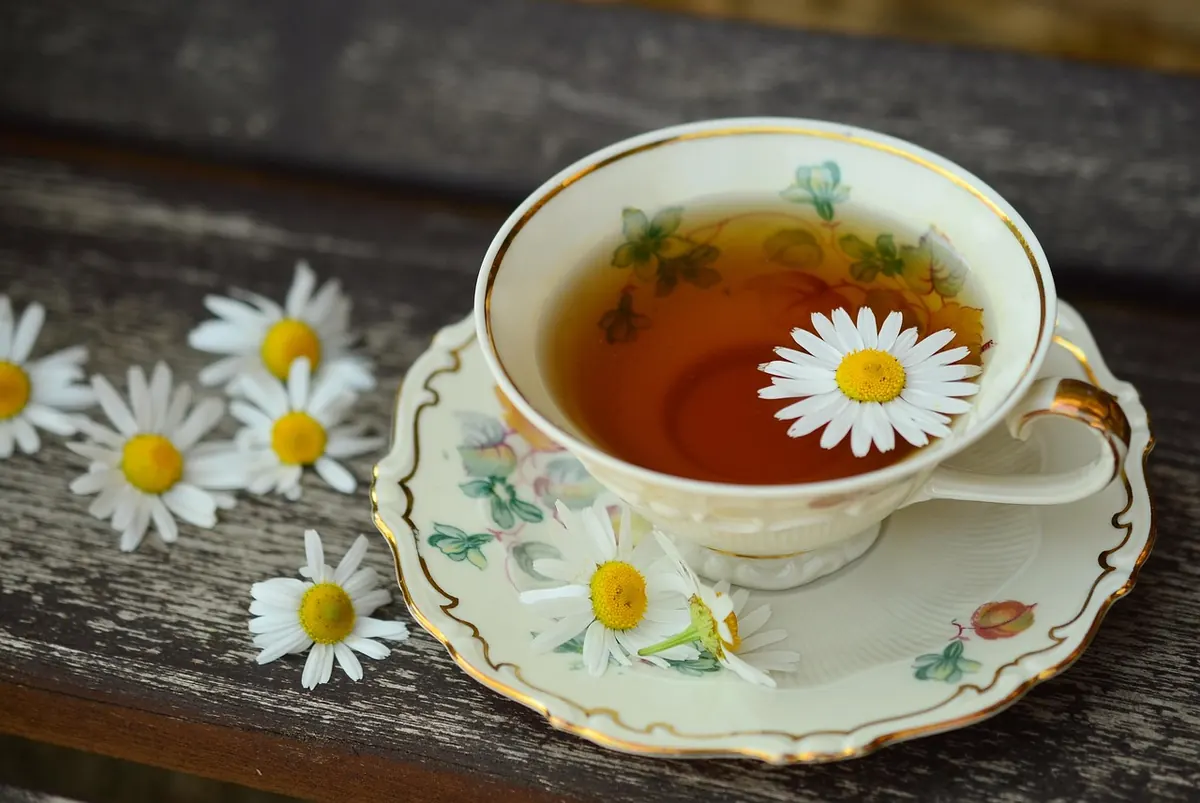
Your afternoon tea is already a pause. With a small shift, it can also be a lesson. Ten minutes is enough to learn one useful thing if you keep the scope tiny, test yourself instead of just rereading, and return to the idea at planned intervals. The method below fits inside the time it takes to brew, sip, and rinse a cup. No new app required.
The reason it works is simple. A small topic is easy to finish, and a finished topic is easier to remember than a half-read chapter. Recall—answering from memory—shows you what you actually know. Spacing the reviews keeps the idea from fading too soon. Put those three pieces together and a tea break becomes a compact study session.
Pick One Tiny Topic Before the Kettle Boils
Before you fill the kettle, write down one question you want answered. Not a subject. A question. "Learn Spanish" is a project. "Order a coffee politely in Spanish" is a session. "Understand mortgages" is a project. "Know the difference between fixed and variable interest" is a session. If the topic affects your health, money, or legal rights, use the tea break to prepare better questions for a qualified professional—not to replace one.
A good tea-break topic has a few qualities:
- It fits in one sentence.
- It has a clear answer or a clear explanation.
- You can find a reliable source for it in under two minutes.
- It connects to something you already do, read, or wonder about.
- It can be reviewed in less than a minute once you know it.
Keep the question in a notebook, on an index card, or in a plain notes file. The format matters less than having one place where the question lives.
Turn the Topic into a Single Recall Question
Now convert the topic into a question you will answer from memory. This is the heart of the session. Instead of writing "Photosynthesis notes," write "What are the two main stages of photosynthesis?" Instead of "JavaScript arrays," write "How do I add an item to the end of an array?" Instead of "The Cold War," write "What was one major cause of tension between the United States and the Soviet Union after World War II?"
The answer should be short enough to check at a glance. Three lines is plenty. If you need more, your topic is still too broad. Split it. A smaller question you can answer tomorrow is more useful than a large question you can only half-remember.
Write the answer in your own words
Copying a definition feels like learning, but it often is not. Read a source, close it, then write the answer as if you were explaining it to a friend. Your wording will be rougher. That is fine. Rough wording means your brain is doing the work.
Keep one example
Add a single example to the answer. For the array question, the example might be push(). For the Cold War question, it might be the division of Germany. One example gives your memory a hook.
Set Up Spaced Repetition in Tea-Sized Doses
Spaced repetition means reviewing the same item after increasing gaps. You do not need software. Your afternoon tea can be the timer. After you write the question and answer, plan five short reviews:
- First review: immediately, before your first sip.
- Second review: at the end of the same tea break, after the cup is empty.
- Third review: the next day, during your afternoon tea.
- Fourth review: three days later.
- Fifth review: one week later.
If you miss a day, do not restart the whole schedule. Review it at the next tea break and continue. The goal is regular contact, not a perfect streak.
Review Before Your Tea Cools
Temperature gives you a natural deadline. Use it. A simple three-sip method keeps the review moving:
- First sip: Read the question. Answer it out loud or in your head. Then check your answer.
- Middle sip: Cover the answer. Recall the key words. If you draw a blank, peek, cover it again, and repeat once.
- Last sip: Explain the answer in one sentence, as if someone asked you at the table. If you cannot, write a smaller question for tomorrow.
Do not wait for perfect recall. A partial answer followed by a correction is a useful review. The effort of pulling the idea from memory, then checking it, is what makes the next recall easier.
The first-sip test
If you can answer the question before the tea has cooled enough to drink comfortably, the question is probably the right size. If you are still reading background details when the cup is empty, shrink the topic.
A Ten-Minute Tea Break, Minute by Minute
Here is how the whole session can look:
- Minutes 0–1: Put the kettle on. Write one question at the top of a card or note.
- Minutes 1–3: Steep the tea. Find one reliable source and read only enough to answer the question.
- Minutes 3–5: Close the source. Write the answer in your own words, plus one example.
- Minutes 5–6: First recall. Ask the question, answer, check.
- Minutes 6–8: Sip and review. Cover the answer, recall it again, and fix anything you missed.
- Minutes 8–9: Write the next review date on the card: tomorrow, then three days, then one week.
- Minutes 9–10: Last recall before the tea cools. Say the answer in one sentence, then stop.
Common traps
- Opening five tabs when one source will do.
- Choosing a topic with no clear edge, such as "improve my writing."
- Writing an essay instead of a three-line answer.
- Letting the break stretch past ten minutes.
- Skipping the recall because reading feels more comfortable.
Keep It Small, Keep It Going
Choose a regular afternoon tea time and keep one small notebook or index card near the kettle. Each day, write one question. Each break, answer it and set the next review date. That is the whole system. It does not require a subscription, a dashboard, or a free weekend.
After a week, you will have a handful of small ideas you can explain without notes. After a month, you may have more than you expect. The point is not to turn teatime into a second job. The point is to make the pause you already take a little more interesting—and to finish your tea while the idea is still warm.
Photo: betül nur akyürek / Pexels