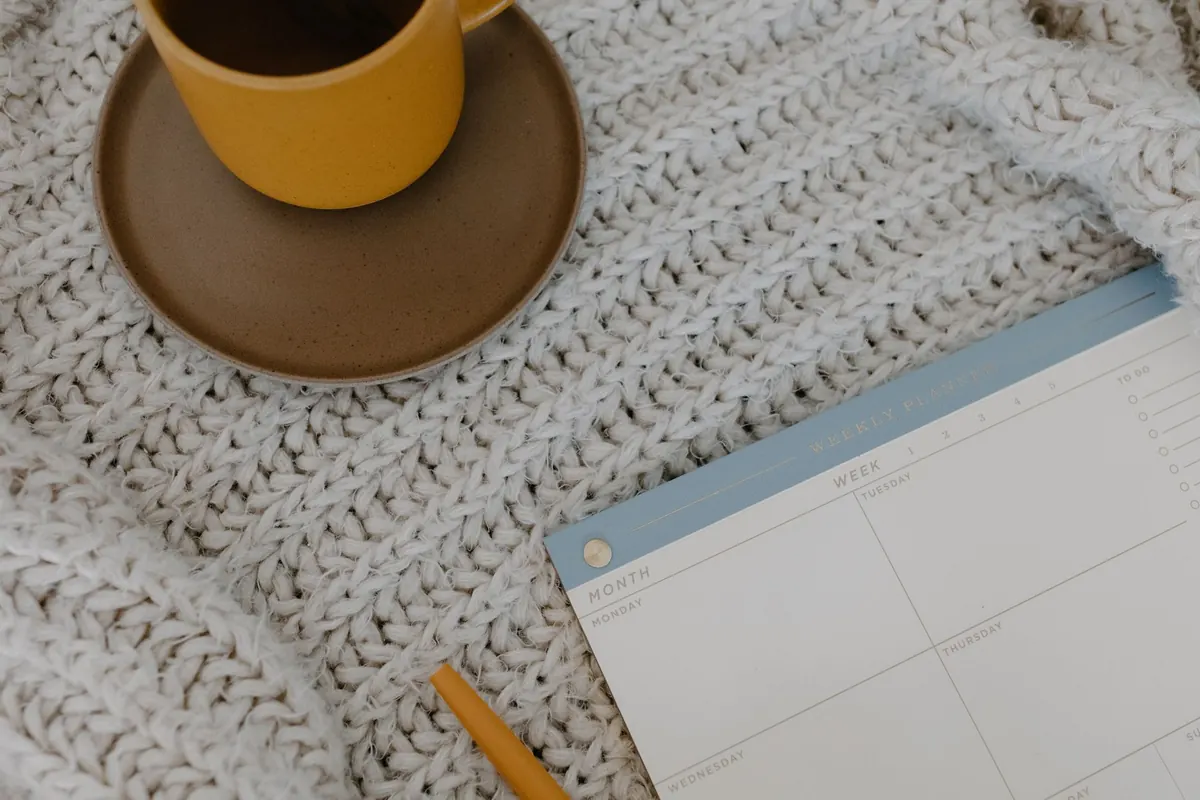
A study plan that needs a quiet hour and a clear head is a plan that quietly expires in week two. A plan built around the tea you already make tends to last, because it doesn't ask you to change your day — it asks you to use a corner of it. The kettle is already boiling. The break is already yours. All that's missing is a page, a pen, and a rough idea of what to do while the tea cools.
Here is how to turn ordinary tea breaks into repeatable study sessions that add up over a week.
Why Short Sessions Beat Long Blocks
Long study blocks carry a high starting cost. You have to clear the desk, find the file, remember where you stopped, and talk yourself into sitting down. That is a lot of friction to overcome on a Tuesday afternoon.
A fifteen-minute session has almost none. You are already standing up, already pausing, and the material is already open from yesterday. The smaller the gap between deciding to study and actually studying, the more often it happens.
Tea breaks also come with something a phone reminder doesn't: a physical cue. You fill the kettle, you wait, you sit down. Attach a small piece of studying to that sequence and it starts to feel automatic within a couple of weeks. The kettle becomes the trigger; the studying becomes what follows.
One caution. Not every break should turn into work. If every cup of tea comes with a flashcard deck, the ritual stops feeling like rest and you will start skipping it. Two or three study breaks a day is plenty. The others stay exactly as they are.
Find the Breaks You Already Take
Map one ordinary week
Before building anything, spend a few days noticing when you naturally stop. Most people have more breaks than they think. Common ones include:
- Mid-morning, after the first push of work — often ten to twenty minutes, decent focus, usually private.
- Right after lunch — longer, but energy is low. Better for reviewing than for learning something new.
- Mid-afternoon, around the energy dip — short and scattered, but good for a single small task.
- After dinner, before the evening settles — quiet, unhurried, and easy to protect.
- Weekend mornings — slower, longer, and the best place for anything that needs real concentration.
As you note these down, record three things: roughly how long each break lasts, how alert you feel, and whether you can count on being left alone. Then circle the three breaks with the best combination. Those become your study slots. Everything else remains a break.
The Shape of a Fifteen-Minute Session
A short session works best when it has a beginning, a middle, and a clear end. Try this structure:
- Setup, one minute. Open your material to the exact spot before the water boils. Write one question at the top of the page — what you want to be able to answer by the last sip.
- Recall, four minutes. Without looking at your notes, write down what you remember from the last session. This feels uncomfortable, and that is the point. Retrieving information is what makes it stick.
- Learn or practise, eight minutes. Read one page, work one problem, drill one set of vocabulary, or rewrite one messy paragraph.
- Close, one minute. Write a single line at the bottom: what to do next time. Tomorrow-you opens the notebook and starts immediately instead of re-reading.
Keep a small kit together so setup takes no thought at all: one notebook, one pen, one textbook or printed page, all in the same place. If your material lives in an app, put the app on your home screen and close everything else before you start.
Fifteen focused minutes, three times a day, is a bigger weekly total than most people manage with one heroic Sunday afternoon.
A Sample Week Built Around Tea
You can run this same rhythm every day, or vary it. A simple version might look like this:
- Monday, mid-morning: recall last week's notes, then read one new section.
- Tuesday, mid-morning: practise problems from Monday's section. Afternoon break: review the recall page.
- Wednesday, mid-morning: new material. Evening break: five minutes of vocabulary or terms.
- Thursday, mid-morning: practise again, focusing on what went wrong yesterday.
- Friday, mid-morning: a short self-test on the week's material, no notes.
- Saturday, longer break: fill gaps the week exposed.
- Sunday, ten minutes: plan the next week's slots over a cup of something warm.
You are not studying more hours than before. You are spreading the same effort across the week in pieces small enough to actually begin.
What Fits in a Tea Break — and What Doesn't
Good fits
- Recall from memory, on paper or aloud.
- A single page of reading with two notes written in your own words.
- Flashcards or term drills.
- One maths or grammar exercise set.
- Tidying the previous session's notes into a short summary.
Save for longer sessions
- Writing an essay or a full report.
- Anything requiring deep problem-solving across several steps.
- Reading a dense chapter with no clear stopping point.
- Setting up a new system, schedule, or folder structure.
If a tea break task keeps overflowing into the next hour, it is the wrong task, not a personal failing. Break it into smaller pieces and place them across three days.
When the Week Goes Sideways
Some weeks you will miss sessions. Travel, deadlines, sick children, and plain tiredness all happen. The rule that keeps the plan alive is simple: never reschedule, just continue. Do not try to make up missed minutes later. Missing Tuesday's break does not create a debt.
Keep a minimum version in your back pocket for bad weeks: one break, one recall page, nothing else. That is enough to keep the habit connected. And if you miss two days in a row, restart with the easiest slot you have — usually the one right after lunch.
Start With Three Breaks This Week
Do this today, before the next cup: pick one break, put your materials where you will sit, and decide what one question you want answered by the last sip. Tomorrow, add a second break. By the end of the week you will have a study plan that runs on tea, fits inside your normal day, and asks nothing more of you than the pause you were going to take anyway.
After a week, look back at what worked. Move the slots that kept getting interrupted, drop the ones that never happened, and keep the rest. A study plan you barely notice is the one that lasts.
Photo: Tara Winstead / Pexels